
Our early childhood relationships significantly impact how we behave in our relationships as an adult. The term ‘attachment styles’ stems from the idea that the bonds we form in our infancy with our primary caregiver(s) result in the formation of an attachment style.
October 1, 2024
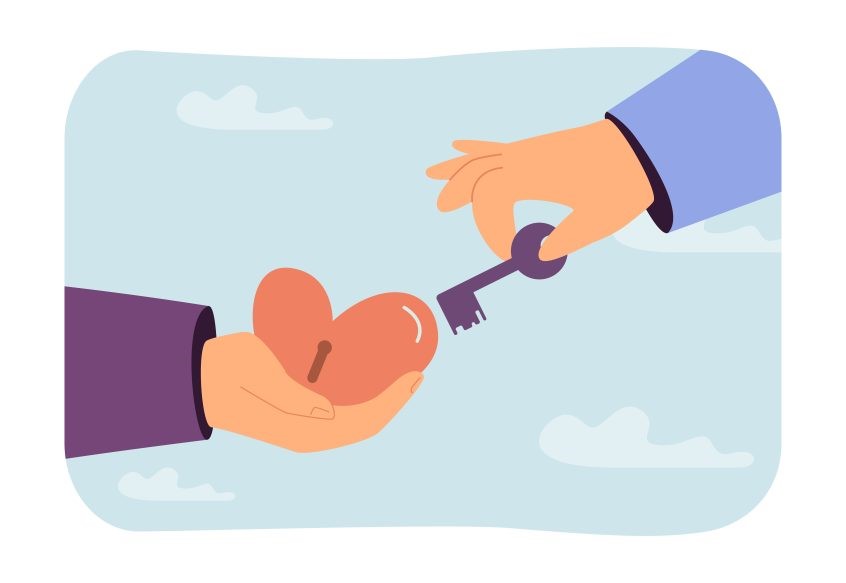
Our early childhood relationships significantly impact how we behave in our relationships as an adult.
The term ‘attachment styles’ stems from the idea that the bonds we form in our infancy with our primary caregiver(s) result in the formation of an attachment style.
The ‘Attachment Theory’ put forward by John Bowlby and Mary Ainsworth suggests that there are a total of four attachment styles that influence how humans react and form adult relationships:
- Anxious/Preoccupied
- Avoidant-Dismissive
- Disorganized/Fearful-Avoidant
- Secure
Let’s take a deeper dive into these:
- Anxious/Preoccupied: People with an anxious attachment style have a looming sense of insecurity, constant dread of abandonment, and fear of being alone, which is the perfect recipe for anxiety. They view themselves negatively, while others are held above and beyond in their head, leaving them hungry for approval, acceptance, attention, and support from their partner.While their romantic partner means a lot to them, they may have an underlying fear that their partner is not as interested or invested in them as they are.How is this formed? Parents who show love abruptly confuse the child about what to expect, causing them to become desperate for their attention and love. This does not mean that the parents intentionally ignore the child’s needs – more often than not it is a case of misunderstanding the child’s cues.
- Avoidant/Dismissive: People with an avoidant attachment style usually view themselves positively and have a high sense of self-esteem. However, such people, as the name suggests, avoid emotional bonds. They have a general coldness and try to hide their emotions and feelings. They might withdraw and deal with issues themselves, trying to act as if they are enough all by themselves.This style is rooted in an unresponsive, rejecting parent who has not cared or shown appropriate concern for their child. So when they didn’t receive attention and their needs weren’t met, they attempted to self-soothe by suppressing feelings and distancing themselves.
- Disorganized/Fearful-Avoidant: People with this attachment style tend to give mixed signals and exhibit inconsistent behaviour. They have a difficult time trusting people. They have a desire for intimacy, but at the same time may be haunted by the fear of getting hurt. They have a hard time regulating and understanding their emotions, causing them to give out mixed signals.Emotional inconsistency by parents/primary caregivers leads to this attachment style. For example, the parent may comfort the child in some situations but also instil fear in others; or may not provide support and comfort during distressing situations. Abuse, trauma or neglect in childhood leads to the formation of such a style.
- Secure: These people are expressive about their feelings and are not afraid of emotional bonds. These people can thrive in relationships and don’t fear abandonment. They do not depend on the attention or approval of their partner.
A secure style develops in childhood in the presence of a caregiver that attends to the child’s needs by being emotionally available and present, providing a safe space for them to grow.
Now, Let’s move toward the principal question:
Is it possible to change your attachment style?The answer is yes, it is very much possible. People with insecure attachment styles can become more secure if they are in a committed relationship with someone with a secure attachment style – who makes them feel secure in their relationship over time.
However, that is not the only way. You can overcome and change insecure attachment styles by recognising them and working on them.
The first step is insight and understanding, noticing the patterns we exhibit and how we approach our relationships.
Healing is not linear, and one must make efforts, whether on their own or with a therapist. Learning to be assertive, healing from all the ingrained shame and understanding yourself is vital.
Once you are conscious of your behaviour, your journey to heal your inner child can begin; nurturing your adult self.
Want to know which attachment style you possess? Try this attachment styles quiz.

Recent Blogs
Attachment Styles and How they Shape our Romantic Relationships
October 1, 2024
Do I actually need Therapy? Clearing up some Misconceptions
September 21, 2024