In Pakistan, many individuals struggle with mental health issues, often viewing therapy as taboo due to societal stereotypes and cultural myths. Misconceptions about therapy can prevent people from accessing the support they need, leaving them to suffer in silence. In this blog, with Savaira let’s first discuss what therapy is, and then…
September 21, 2024
In Pakistan, many individuals struggle with mental health issues, often viewing therapy as taboo due to societal stereotypes and cultural myths. Misconceptions about therapy can prevent people from accessing the support they need, leaving them to suffer in silence.
In this blog, with Savaira let’s first discuss what therapy is, and then address some misconceptions supported by facts and cultural context to encourage more open conversations about mental health.
Did you know that the World Health Organization (WHO) reports approximately 1 in 5 adults globally seek therapy or counselling for mental health issues? This shows the growing recognition of mental health care’s importance.
However, in Pakistani culture, societal norms often discourage individuals from pursuing therapy, labelling mental health struggles as signs of weakness or failure. Familial honour further complicates open discussions, perpetuating stigma and isolation. As a result, those who need support may miss out on crucial opportunities for healing.
What is therapy?
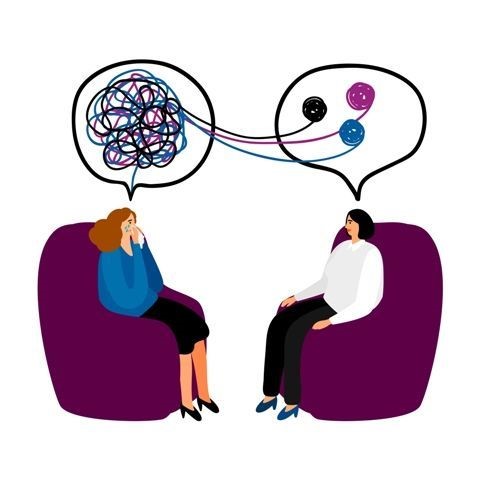
Therapy, often referred to as counselling or psychotherapy, is a process where individuals speak with a trained professional to tackle emotional and psychological issues. It is important to know that therapy is not limited by age or gender, anyone can benefit from it. Therapists employ a variety of techniques to help clients gain insight into their feelings, enhance their coping skills, and promote personal development.
Common misconceptions
Research by the British Asian Trust highlights a mental health crisis in Pakistan, with around 50 million people affected but unable to access support due to stigma, misconceptions, and limited resources for therapy and counselling. Let’s discuss few:
Therapy is only for serious issuesOften referred to as “for crazy people only”. Many believe that therapy is only for those experiencing severe or unstable mental health. However, therapy can be helpful for anyone, regardless of the severity of their struggles. Whether it’s dealing with stress, anxiety, battling from addiction or simply wanting to improve yourself, therapy offers valuable tools for personal growth.
“Sign of weakness”When someone expresses a desire to seek therapy, they often face responses like, "Come on, man up!" for men, or women may be told it’s a sign of weakness. In Pakistan, cultural stigma pressures men to hide their emotions and women to be labelled as overly emotional for seeking help. However, seeking therapy is a sign of strength, commitment to self-care, and a crucial step toward healing.
Someone who doesn’t know you can’t truly help you.Many people don’t believe they need therapy; they think that simply spending time with a good friend or spouse over a cup of tea is enough. They often perceive therapists as cold and clinical, which can lead to doubts about opening up to someone new. This misconception makes people question whether they should seek help or just “get over it,” as some suggest, believing their struggles are just in the past.
However, that’s not the case. Therapists genuinely care about their clients’ well-being and create a safe space for conversation. It all begins with listening, and therapists excel in this area. They not only hear you but also offer professional guidance because the purpose of therapy is to heal, not to intimidate.
Therapy is a one-size-fits-all approachMany believe that therapy methods are uniform and effective for everyone. However this is wrong. Therapy is highly personalised. Different therapists use different methods, such as cognitive-behavioural therapy (CBT), mindfulness, or talk therapy. It’s important to find a therapist whose approach aligns with your needs.
Your personal information can become public informationMany people worry that sharing personal details in therapy might make their information public, which can stop them from seeking help.
But this fear isn’t true. Therapists are required to keep everything you share confidential, meaning they can’t even discuss your information with family members. This confidentiality allows you to open up without worrying about judgement or exposure.
Trust and safety are key in therapy, and therapists take this responsibility seriously. You can focus on healing and personal growth in a secure environment, knowing your secrets are safe.
How to decide if you should go for therapy?
If you find yourself considering therapy, ask yourself the following questions
- Do I often feel stressed, anxious, sad, or overwhelmed?
- Am I struggling to cope with daily life?
- cAm I open to exploring my thoughts and feelings?

If you answered "yes" to any of these, therapy could be a valuable resource for you, here are few signs you can get benefit:
- If daily tasks or usual activities feel unmanageable, therapy can help you develop coping strategies.
- If you’re having trouble with family or loved ones, therapy can improve communication and help resolve conflicts.
- In case you’re pulling away from friends and losing interest in activities you once enjoyed, therapy can help you reconnect.
- Transitioning through major changes, like moving or changing jobs, therapy can be easier to manage.
- In case you have a history of substance addiction, therapy can be an effective solution.
- Past trauma can have lasting effects, therapy can help you process these experiences and heal.
- For even self-improvement, therapy provides personal insights to help you understand yourself better or achieve personal goals.
Wrapping up
Remember, therapy is not just for those in crisis, it can benefit anyone seeking to enhance their mental health and well-being. By understanding these common misconceptions, you can make better decisions about whether therapy is the right choice for you.
If you’re still unsure, consider reaching out to Savaira for a professional consultation. At Savaira, we are committed to fostering conversations about mental health and connecting individuals with qualified professionals. We offer personalised guidance and resources tailored to your specific needs.
Recent Blogs
Attachment Styles and How they Shape our Romantic Relationships
October 1, 2024
Do I actually need Therapy? Clearing up some Misconceptions
September 21, 2024